Roofing · the USA
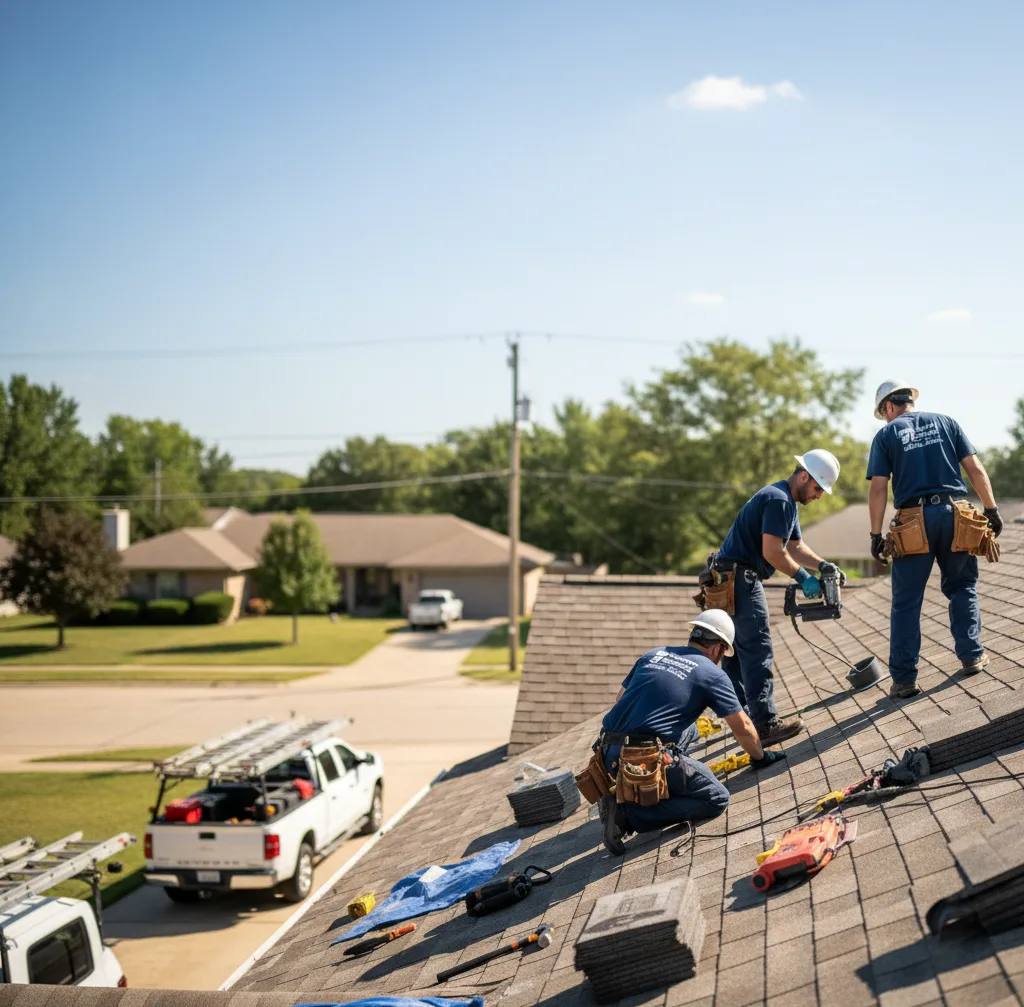
Patriot Roof Repair matches repair methods to the existing roof type rather than using a single product for every job. Crews document each section before and after so property records stay accurate.
Flat roofs collect water in low spots more readily than sloped surfaces, so small defects can grow quickly. Homeowners and building managers often notice blistering or wrinkling in the membrane first, followed by areas where the surface feels soft underfoot. These changes usually point to moisture trapped beneath the top layer. Checking the roof after heavy rain can reveal standing water that lingers longer than a day, which adds weight and speeds deterioration of seams and flashings. Inside the building, brown stains on ceilings or walls near roof penetrations give another clue that water has found a path downward. Keeping a simple log of when and where these marks appear helps narrow the search during a roof inspection.
Most flat roof failures trace back to repeated expansion and contraction from temperature swings, which loosens fasteners and opens joints over time. UV exposure also dries out coatings and makes the membrane brittle, especially on older installations without reflective surfacing. Poor original installation, such as inadequate overlap at seams or missing reinforcement at corners, creates weak points that fail first. Tree debris or foot traffic from HVAC service can puncture the surface or block drains, allowing water to pool. Regular roof maintenance checks of these known stress areas let property owners catch issues while repairs remain localized rather than requiring full replacement.
FAQ

Access equipment is brought in when the pitch or height requires it. The repair itself follows the same sequence once the crew can work safely at the location. Homeowners receive an explanation of the equipment needs before work begins.
A small opening can allow additional water during the next rain, which may extend the damaged area. An inspection now identifies whether temporary measures are enough or whether a permanent fix is needed before further moisture enters the structure.
The crew begins at the most likely entry points such as valleys, penetrations, and changes in slope. They use visual inspection and moisture readings to trace the path backward from any interior marks. When no interior signs exist, they examine the entire surface systematically until the opening is located.
Roof Leak Repair across the USA. Call (888) 489-1383.
Call (888) 489-1383