Roofing · the USA
Crews follow the same inspection sequence on each visit so conditions can be compared over successive cycles. Notes are written on site and provided to the owner the same day.
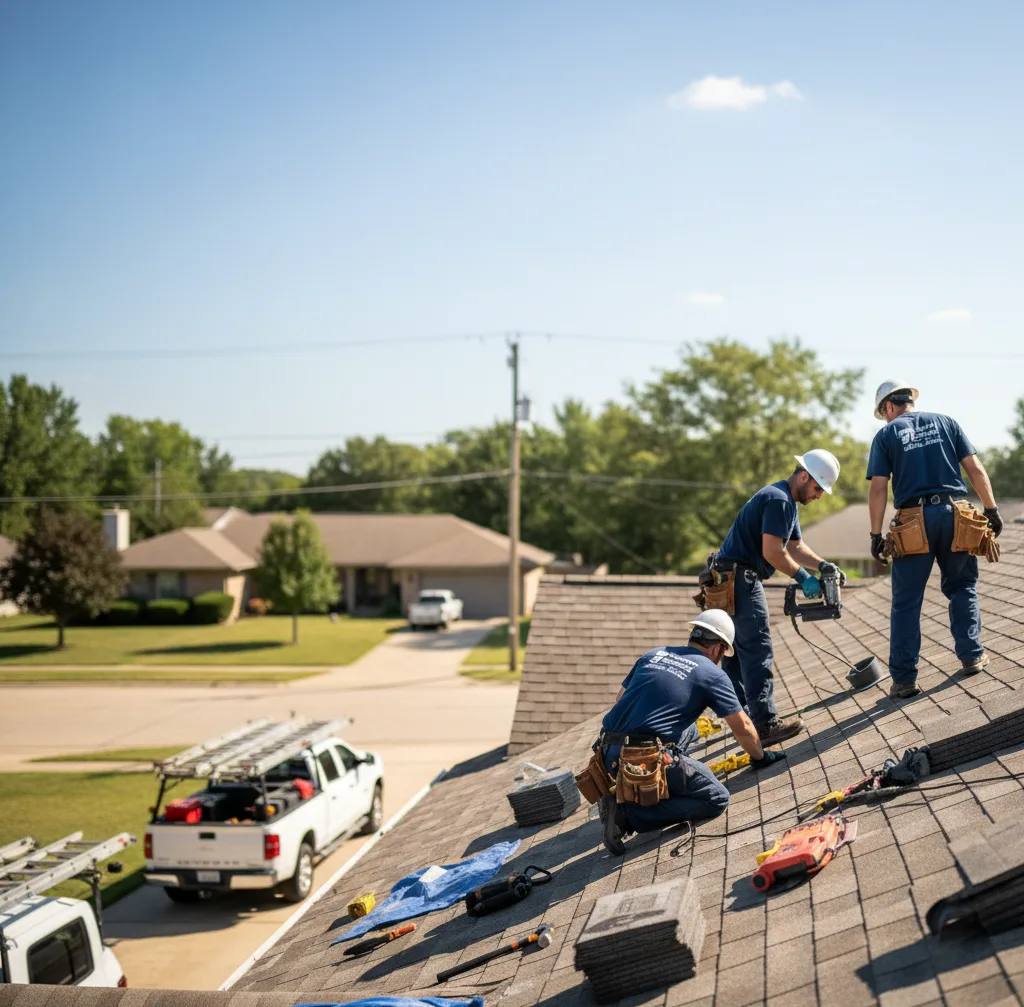
Roof surfaces collect debris and show gradual wear that can lead to leaks if left unaddressed. Granule loss on asphalt shingles appears as dark patches or accumulation in gutters. Cracked or curling edges allow wind-driven rain to reach underlayment layers. Metal panels may develop loose fasteners or sealant failure along seams. Technicians begin by walking accessible areas and noting these visible conditions before any corrective steps are taken.
Attention moves to flashing around penetrations where most water entry occurs. Sealant beads are examined for gaps or hardening. Gutters and downspouts are cleared so water continues to flow away from the structure. Underlayment edges and ridge vents receive a visual check for proper overlap and ventilation function. Any loose or displaced components are secured before the crew leaves the site.
FAQ

Access equipment is brought in when the pitch or height requires it. The repair itself follows the same sequence once the crew can work safely at the location. Homeowners receive an explanation of the equipment needs before work begins.
A small opening can allow additional water during the next rain, which may extend the damaged area. An inspection now identifies whether temporary measures are enough or whether a permanent fix is needed before further moisture enters the structure.
The crew begins at the most likely entry points such as valleys, penetrations, and changes in slope. They use visual inspection and moisture readings to trace the path backward from any interior marks. When no interior signs exist, they examine the entire surface systematically until the opening is located.
Roof Leak Repair across the USA. Call (888) 489-1383.
Call (888) 489-1383