Roofing · the USA
Each project begins with a written assessment that lists the existing conditions, the proposed materials, and the sequence of steps. Homeowners receive a copy so they can review details and ask questions before work begins.
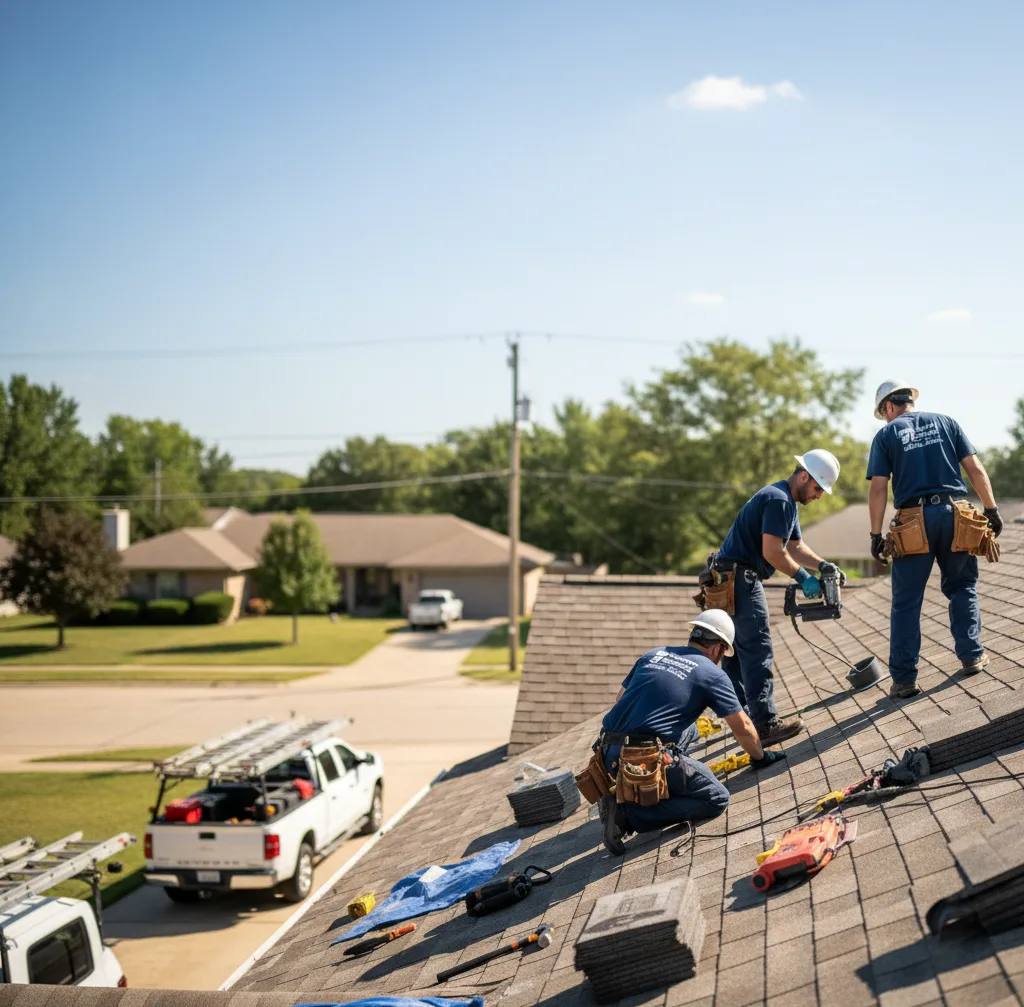
Multiple layers of shingles, widespread granule loss, and daylight visible from the attic all point to the end of the current roof’s service life. A replacement starts with a deck inspection once the old covering is removed. Damaged plywood or rafters are repaired or replaced before any new underlayment is installed. Ice-and-water shield is applied along eaves and in valleys, followed by synthetic underlayment across the rest of the surface. New flashing is fitted around chimneys, skylights, and wall intersections so water cannot migrate under the shingles. Ridge vent sections are installed where attic ventilation requires updating. The final shingle courses are laid with proper offset and nailing patterns to resist wind uplift.
High winds can lift shingles and allow moisture under the surface, while prolonged sun exposure dries out the asphalt binder. Poor attic ventilation traps heat and moisture, accelerating deck rot. Trees that drop limbs or needles also create localized wear. Homeowners can check for these clues from the ground by looking for sagging ridges, missing tabs, or dark streaks that indicate granule shedding. Inside the attic, dark spots on sheathing or insulation often signal leaks that have already begun. These observations help determine whether repair is still viable or whether a complete replacement is the more practical step.
FAQ
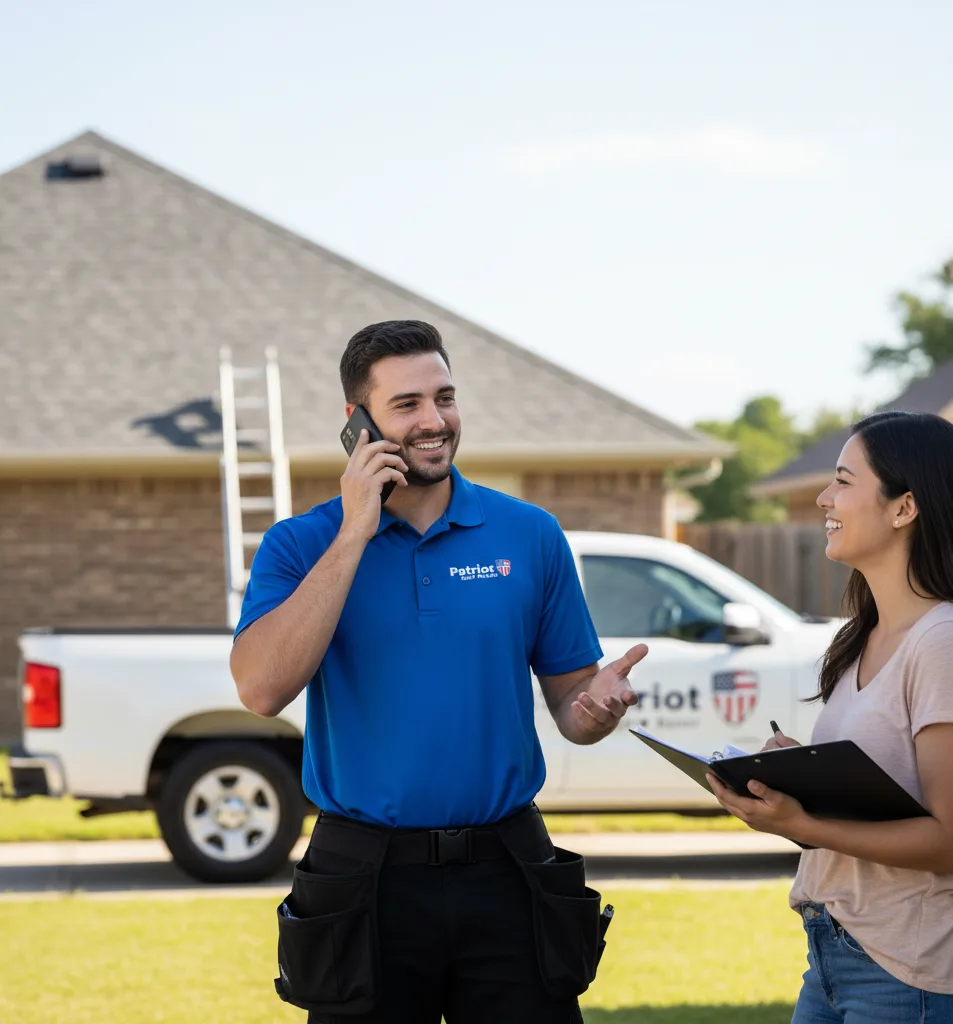
Access equipment is brought in when the pitch or height requires it. The repair itself follows the same sequence once the crew can work safely at the location. Homeowners receive an explanation of the equipment needs before work begins.
A small opening can allow additional water during the next rain, which may extend the damaged area. An inspection now identifies whether temporary measures are enough or whether a permanent fix is needed before further moisture enters the structure.
The crew begins at the most likely entry points such as valleys, penetrations, and changes in slope. They use visual inspection and moisture readings to trace the path backward from any interior marks. When no interior signs exist, they examine the entire surface systematically until the opening is located.
Roof Leak Repair across the USA. Call (888) 489-1383.
Call (888) 489-1383